Bus and tram signs show lanes, gates and routes reserved for buses, trams and sometimes cyclists or taxis. A bus lane sign gives the times it operates — outside those times other traffic may use it. Tram signs warn of trams crossing or sharing the road and of tram-only routes.
What does each bus and tram sign mean?
Each sign is shown with its official meaning from the Department for Transport. Tap through to the quiz when you’re ready to test yourself.
-
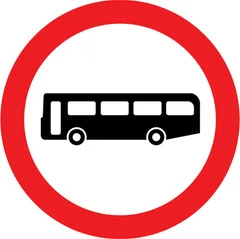
Buses prohibited -
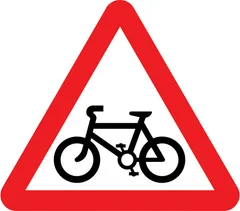
Cycle route ahead warning -
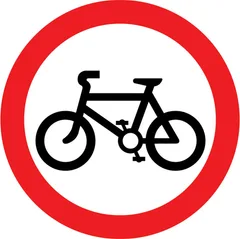
Riding of pedal cycles prohibited -
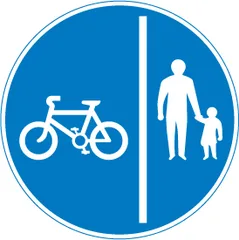
Route comprising a separated track and path for cycles and pedestrians -
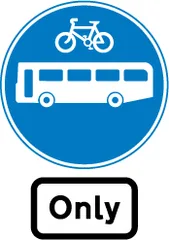
Route for use by buses and cycles only -
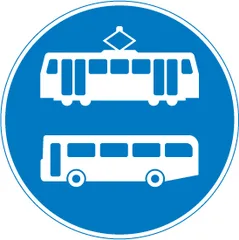
Route for use by buses and tramcars only -
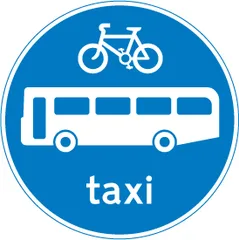
Route for use by buses, pedal cycles and taxis only -
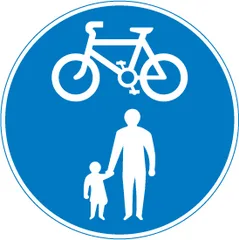
Route for use by pedal cycles and pedestrians only -
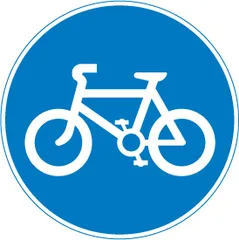
Route for use by pedal cycles only -
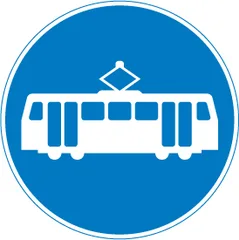
Route for use by tramcars only -
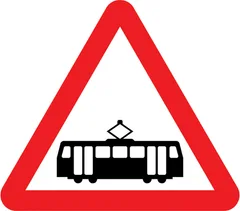
Tramcars crossing ahead -
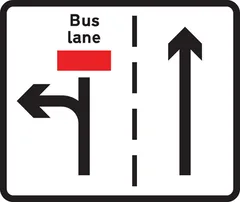
Appropriate traffic lanes for different manoeuvres at a junction after a break in a bus lane -
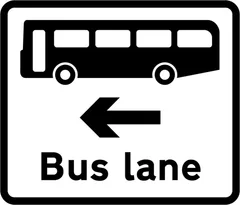
Bus lane on road at junction ahead -
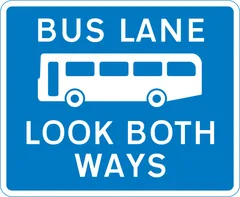
Bus lane with traffic proceeding from both ways (reminder for pedestrians) -
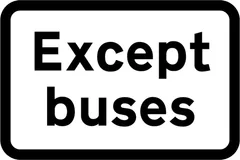
Buses excluded from restriction or prohibition conveyed by associated sign -
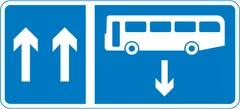
Contra-flow bus lane -
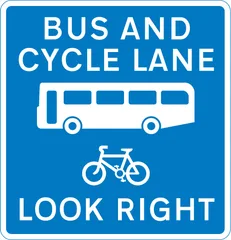
Contra-flow bus lane which pedal cycles may also use with traffic approaching from the right (reminder for pedestrians) -
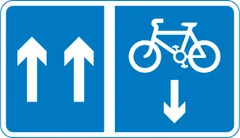
Contra-flow cycle lane -

Cycle event ahead -
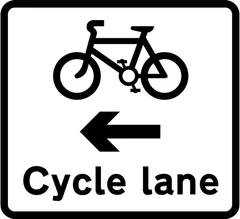
Cycle lane on road at junction ahead or cycle track crossing road -
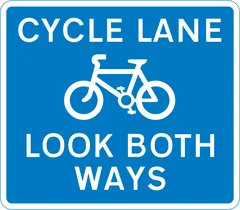
Cycle lane with traffic approaching from both ways (pedestrian reminder) -
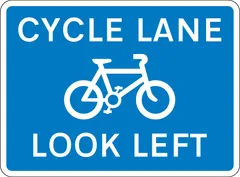
Cycle lane with traffic proceeding from left (pedestrian reminder) -
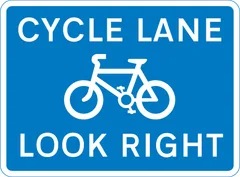
Cycle lane with traffic proceeding from right (pedestrian reminder) -
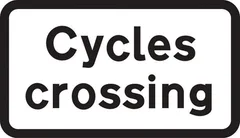
Cycles crossing ahead -
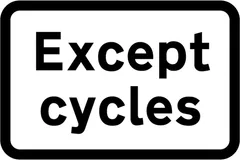
Cycles excluded from restriction or prohibition conveyed by associated sign -
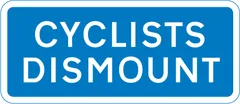
Cyclists to dismount at the end if, or at a break in, a cycle lane, track or route -
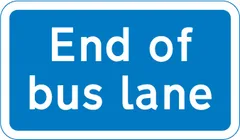
End of bus lane -
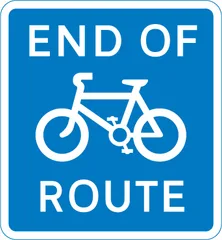
End of cycle lane, track or route -
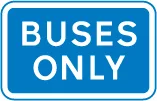
Entrance to bus station, depot or garage -
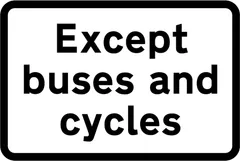
Exemptions for buses, taxis and pedal cycles from restriction or prohibition conveyed by associated sign -
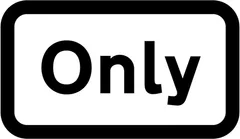
Explanatory plate for tramcar and bus and cycle only route signs -
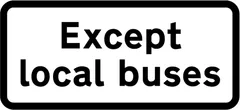
Local buses excluded from restriction or prohibition conveyed by associated sign -
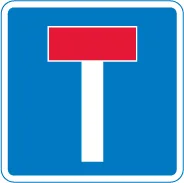
No through road for vehicular traffic -
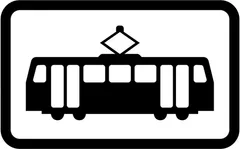
Open tramway level crossing without light signals -
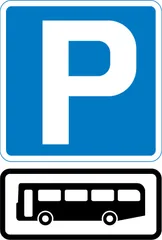
Parking place for buses -
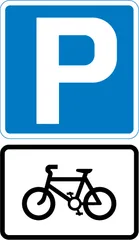
Parking place for pedal cycles -
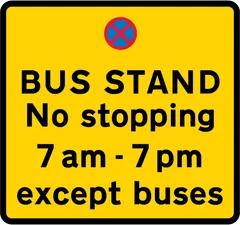
Place where buses may stand and the stopping of other vehicles is prohibited during the period indicated -
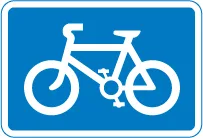
Route recommended for pedal cycles on the main carriageway of a road -
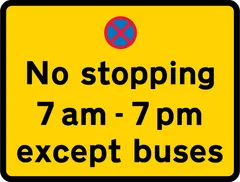
Stopping by vehicles other than buses prohibited during the period indicated -
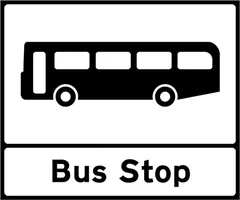
Stopping place for buses -
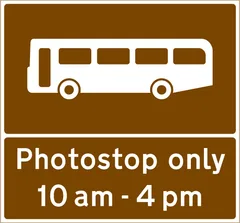
Stopping place for buses used for carrying tourists to allow passengers to take photographs -
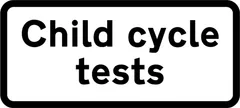
Testing of child cyclists ahead -
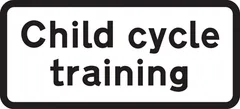
Training of child cyclists ahead -
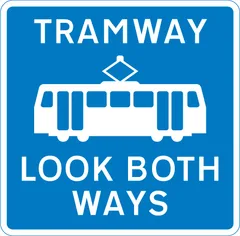
Warning for pedestrians to look out for tramway traffic approaching from both directions -
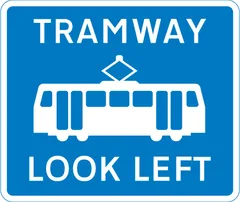
Warning for pedestrians to look out for tramway traffic approaching from the left -
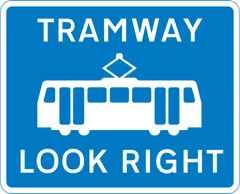
Warning for pedestrians to look out for tramway traffic approaching from the right -
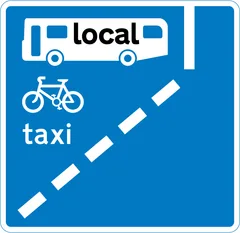
With-flow bus lane which pedal cycles and taxis may also use ahead -
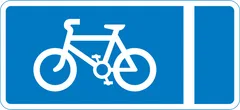
With-flow cycle lane -
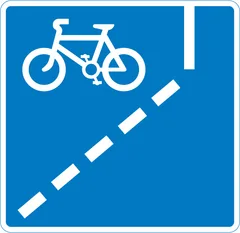
With-flow cycle lane ahead
Ready to test yourself on road signs?
The free road signs quiz uses the same official artwork, with an explanation for every answer. Revise the rules behind them in our Other Types of Vehicle guide.
Start the road signs quizFrequently asked questions
How do you recognise bus and tram signs?
Bus and tram signs show lanes, gates and routes reserved for buses, trams and sometimes cyclists or taxis. A bus lane sign gives the times it operates — outside those times other traffic may use it. Tram signs warn of trams crossing or sharing the road and of tram-only routes.
Do bus and tram signs come up in the theory test?
Yes. Signs appear throughout the theory test, mainly in the Road & Traffic Signs topic and also in topics such as Other Types of Vehicle. Practise with our free questions until you can read each sign from its shape and colour.
Which other road sign categories should you learn?
Traffic sign images: Crown copyright, Department for Transport. Reproduced under the Open Government Licence v3.0. Licence · Source.